Today I came home from seeing the first proofs of The Kairos Mechanism emerge warm out of the Espresso Book Machine to find a of The Broken Lands at my door–the first real-world, hardbound, this-is-what’s-gonna-be-on-the-bookshelves copy I’ve ever seen. It is beautiful. They both are.
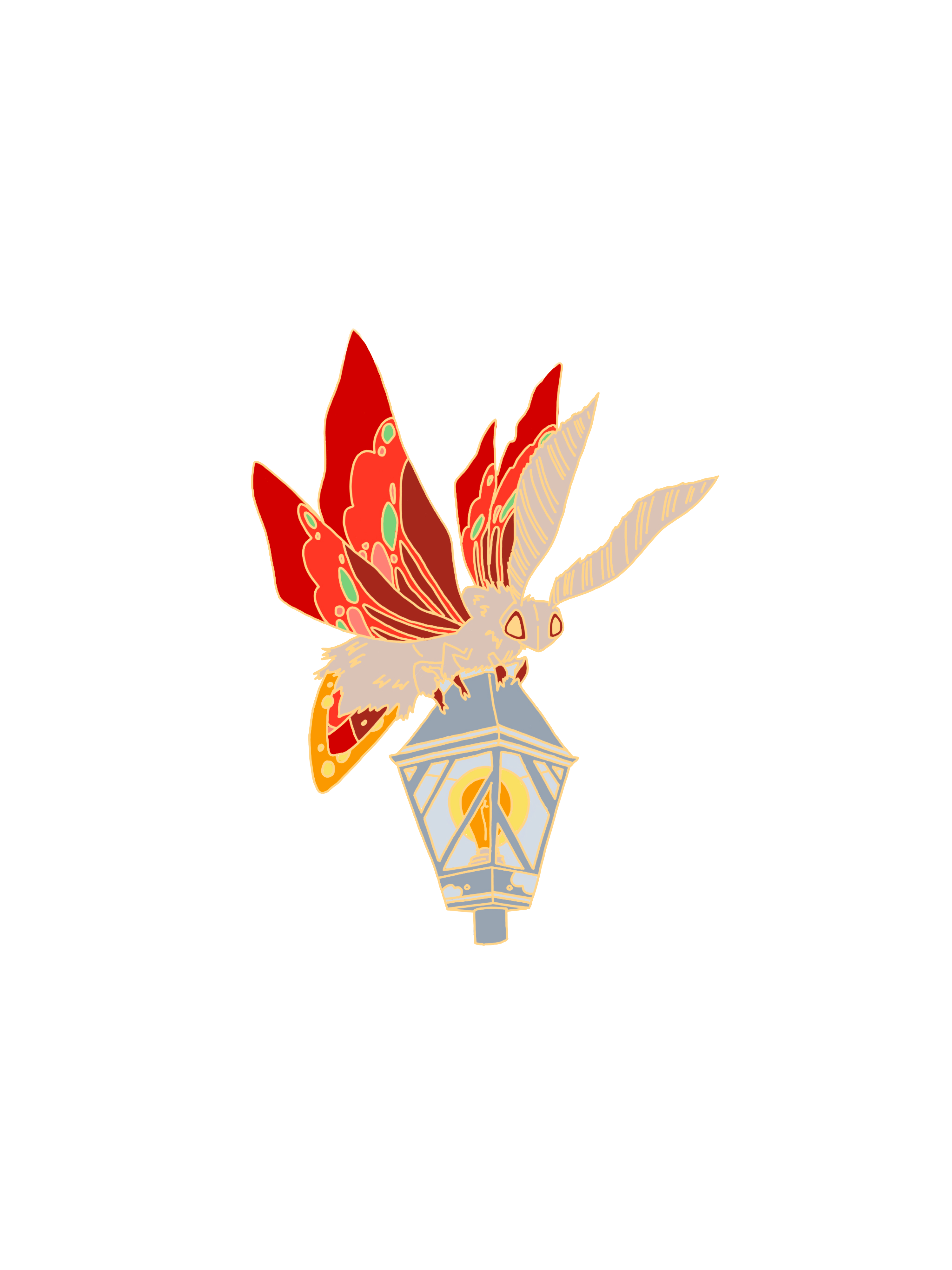
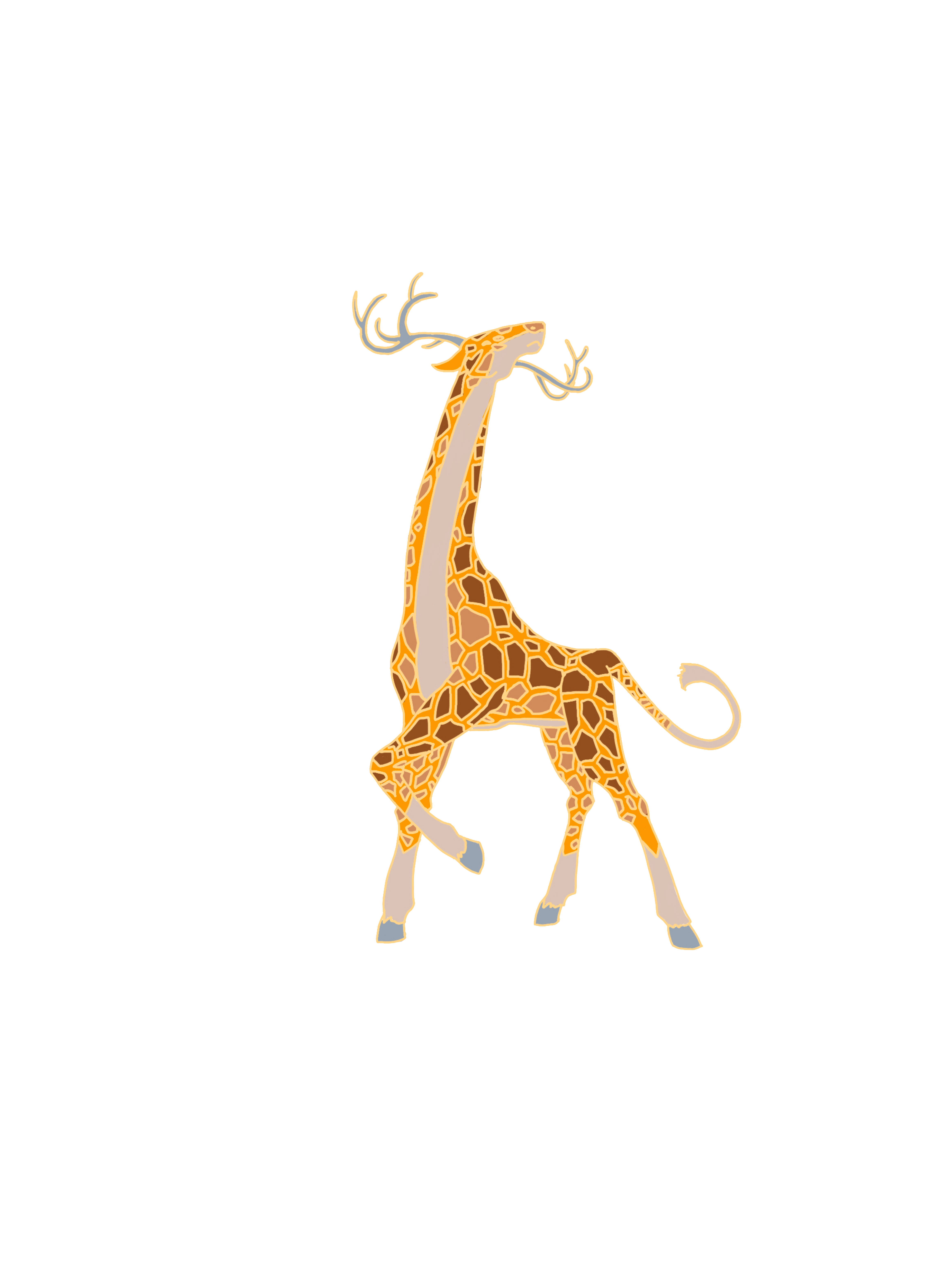
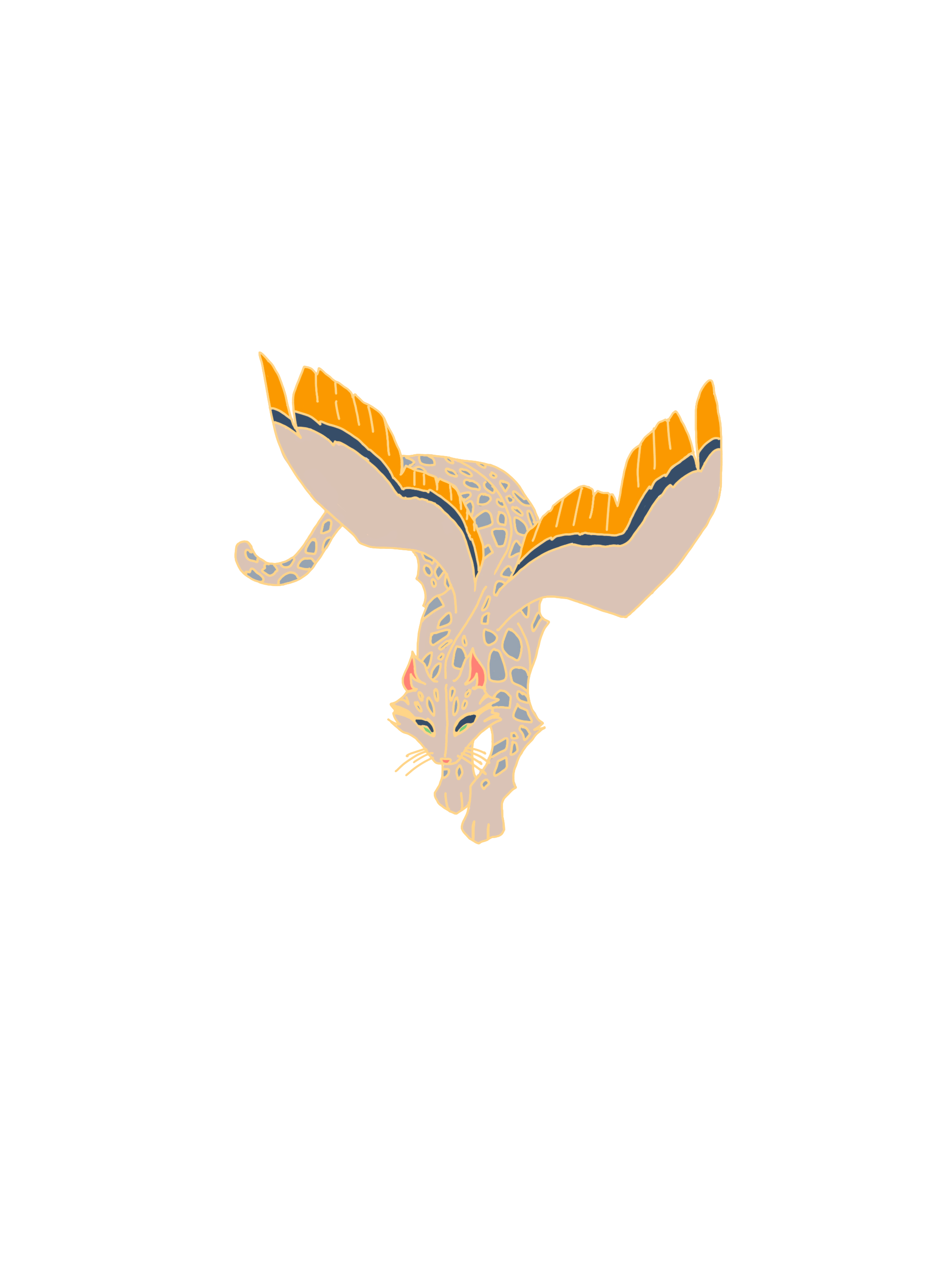
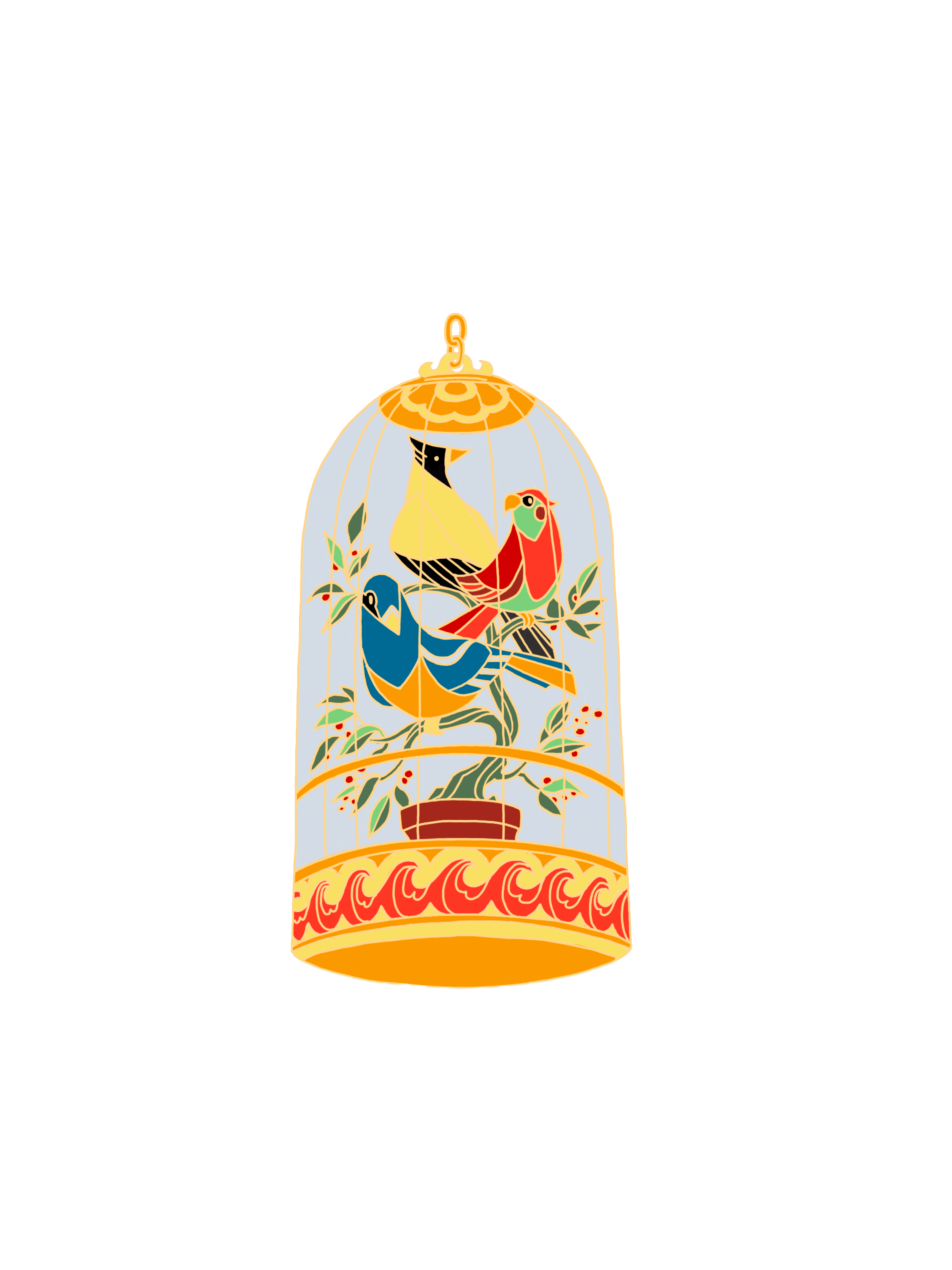
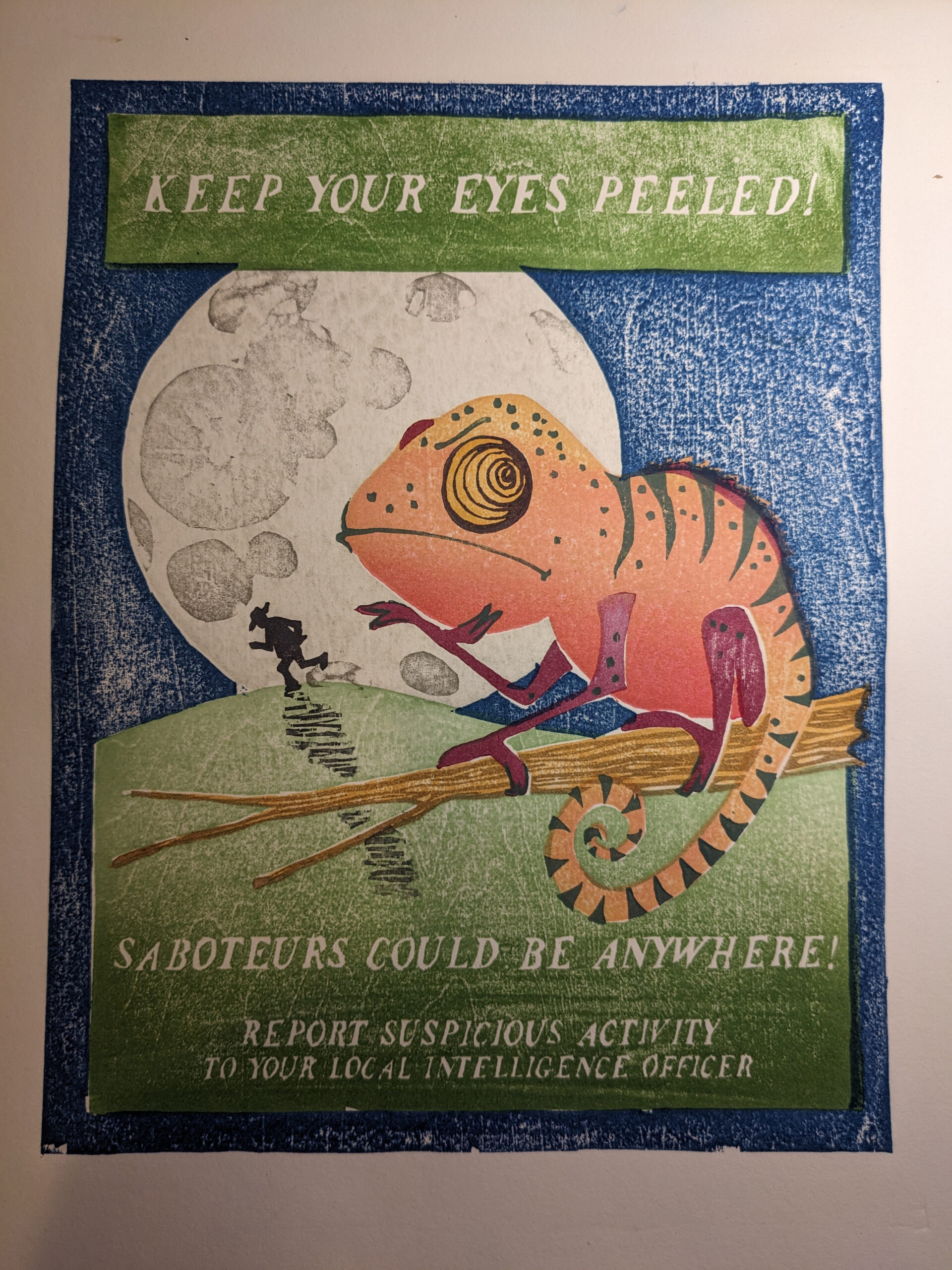
Here’s another really beautiful thing. As many of you know that, in addition to the ebook and paperback editions of The Kairos Mechanism (which, of course, is the companion novella to both The Broken Lands and The Boneshaker), I’m putting together a reader-illustrated edition, with the help of thirteen amazing young artists. This is Natalia Eldering’s contribution to this very special edition. Enjoy!
This is not going to be my most elegant blog post. Mainly I want to write this down so that I can stare at it in an hour when Nathan gets home from work and I wake up from fugue state and wonder where the hell my day went.
I am surfacing only briefly; I have, however, wolfed down my late lunch (note: it’s after 6pm in Brooklyn) in ten minutes rather than the twenty minutes I promised myself I would take for a break after getting to the end of this draft of The Kairos Mechanism, so I get to relax for another ten minutes. TEN MINUTES. DON’T RUSH ME.
Kairos is going to print this week. Probably Thursday. I did a full read-and-revise about midmonth, then I did two more revisions (without reading through) based on notes from three critiquers and the copyeditor. Then I printed the draft out again. I started reading it on Sunday; you may have seen my picture of the first page with its makeup on, which I posted to Tumblr. I had intended to dog-ear the pages that needed touching up until I realized that I could reverse the strategy and dog-eared the ones that didn’t, and then I wouldn’t have to fold any pages at all.
That’s right. I ended with notes on every single page.
I finished reading and started editing last night. Four chapters in at 11pm I figured I was about halfway done and that I’d go to bed and get up early and finish in time to spend the afternoon writing new stuff. I failed to notice that it had taken me three hours to get four chapters done.
This morning I started at 9:30 a.m. and finished the line edits at 5:50. I have cut 6 pages, bringing the ms down to 149, but that’s without chapter breaks and without front and back matter. The copyeditor’s notes on this draft will arrive this evening. Presumably I have already fixed a lot of what she’ll tell me I screwed up. Definitely there will be work left to do. I also still have one scene yet to rewrite, which I saved until the end because it required going back to the history books. Gonna start that as soon as I finish typing this up. I also have to go back through and search for words and phrases I know I overuse. On the list I made today: strange, odd, little, uneasy, awkward, expression, glance(d), look(ed), turn(ed), “for a moment,” “something like,” seem(ed). I also have to look up what the style standard is for writing years out. Is it Nineteen Thirteen, or nineteen thirteen, or Nineteen-Thirteen, or nineteen-thirteen (which is what I’ve been using)?
One really wonderful thing, though (apart from cutting 6 pages, which is immensely satisfying) is that I managed to add, with only one paragraph, a really excellent moment I’d failed to notice I’d given myself the opportunity to write, and which not only really works well, but ties two other moments together and generally, I think, adds a lot. Go team.
Now I gotta go back and fix that other thing. Also this title is plainly a lie, because after fixing and cutting so much I’m obviously going to have to read it one more time. But if I think about that now, I might go out of what remains of my mind.
Go team.
Boyohboy, guys, here we go! It’s time. It’s really, really time! It’s all over but the formatting, so I’m pleased to announce that The Kairos Mechanism will be available in paperback and your choice of digital formats created with Vook (PDF, iBooks-compatible, Kindle-compatible, and Nook-compatible) on Friday, September 7th, and you can preorder it right here, right now.
Because the paperback of The Kairos Mechanism winds up costing a bit more like what an “adult” pb costs than what a middle grade or teen pb does (the list price will be $12.99, due to the cost of printing on the EBM), every paperback copy of The Kairos Mechanism comes with a DRM-free Kairos digital edition in your choice of format.
Possibly the coolest option for getting The Kairos Mechanism actually isn’t from me, and also involves getting it on the cheap. Between now and September 1, if you pre-order The Broken Lands in hardcover from one of the most excellent independent bookstores listed below, you can also pre-order The Kairos Mechanism from the same store for five bucks. (Shipping is subject to the individual bookstores’ policies.) Also, since The Broken Lands will be released on September 4th, Kairos will ship early with those orders. Want your copies signed and/or personalized? You got it.
Planning to get The Broken Lands from your local indie, so you just need The Kairos Mechanism? Not a problem.
Pre-order The Kairos Mechanism in paperback ($15.99, including shipping):UPDATE (SEPTEMBER 2012): Digital editions are now available through Vook.com. Go here to purchase them.
Pre-orders handled through Clockworkfoundry.com are securely processed by Gumroad. Paperback pre-orders through Clockworkfoundry.com include domestic media mail shipping (international buyers, please add $10).
If you’d like to be put on the mailing list for the reader-illustrated edition, please email me directly at kate(at)clockworkfoundry(dot)com. Due to the involvement of 13 different artists with different schedules, the release date is TBD.
Want The Kairos Mechanism sooner, and you can come to New York for a party? Join me at McNally Jackson Books on Thursday, September 6th at 7pm for The Broken Lands’ launch party. You can hang out with lots of book-loving folks, hear me read from The Broken Lands, and see the EBM in actual real life. Hopefully I don’t need to remind you that The Broken Lands is the reason this novella exists, but just in case: The Broken Lands is 465 pages of awesomesauced historical fantasy full of horrifying and wondrous things, including (gasp) a love story (whether you classify that among the wondrous or the horrifying is entirely up to you). Kirkus has already raved about it; surely they won’t be alone in their applause. Come out and celebrate with us if you can! All ages are welcome.
Lastly, if I may, I’d like to leave you with some praise for The Kairos Mechanism from some really awesome folks who’ve given it an early read. I’ll sit quietly over here and blush until you’re done.
“A dark and wonderful machine, built of magic and history and held together with intricate prose. I loved this book.”
“Youthful corpses, smooth talking villains, war, fate, and the occasional odd albatross. For readers left gasping and grasping after the marvelous The Boneshaker comes a sequel that’s every bit as crisp and scintillating as its predecessor, with marvelous prose and even better characters. I’m torn between wishing I lived in Arcane and offering thanks to every god in creation that I’m safe merely reading about it instead.”
“Milford’s Arcane stands at the crossroads of eerieness and adventure. Every visit begins with the best kind of shivery dread and ends with the fun of watching Natalie gin up her courage to tackle whatever stands in her way.”
“Yeah, I read it.”
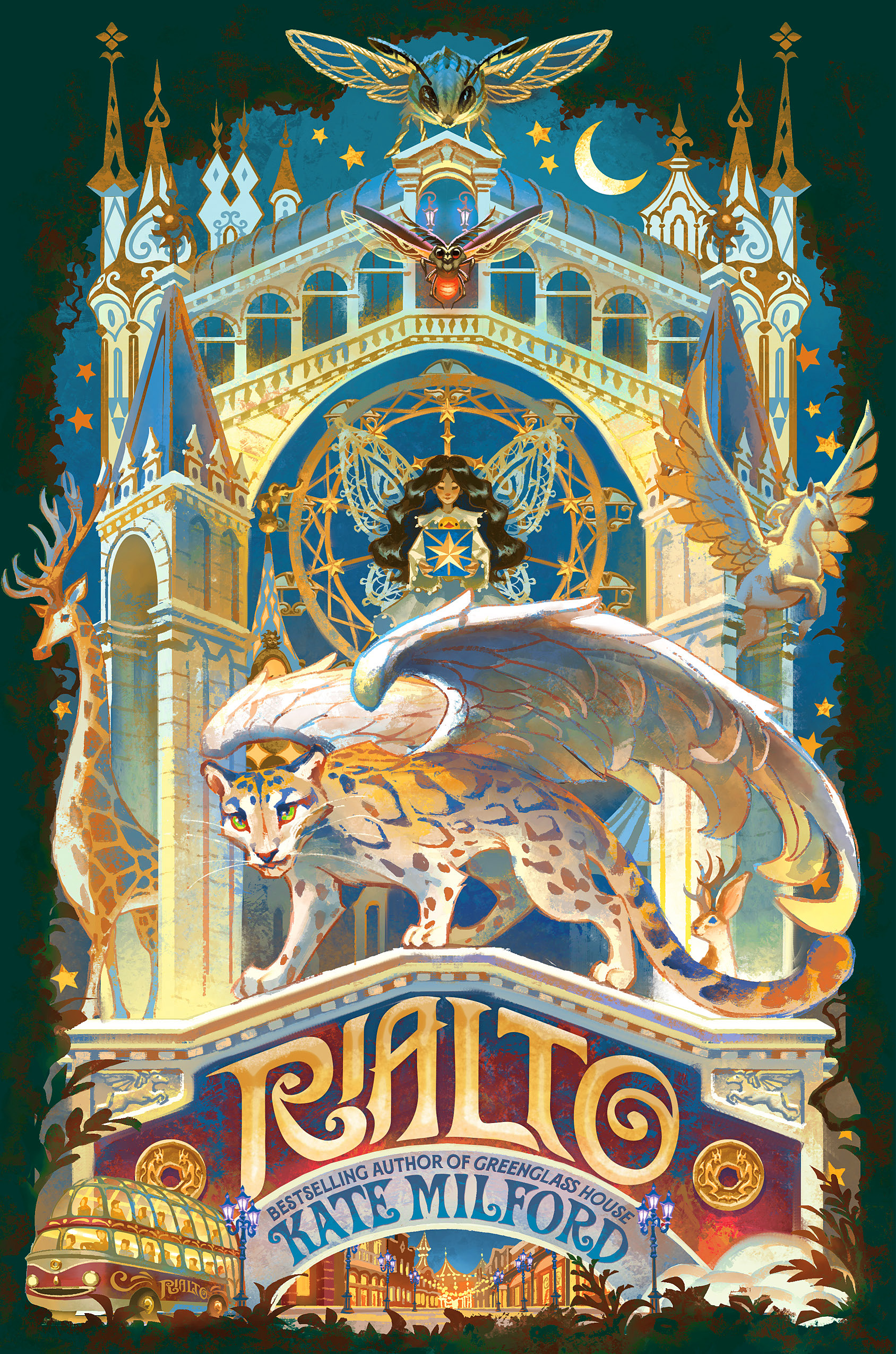
Credit goes here to the amazing and wonderful and brilliant team of Andrea Offermann and Lisa Amowitz. Here it is:
I’m nearly finished mailing out the July Kickstarter rewards (meaning, everything that doesn’t involve copies of The Broken Lands or The Kairos Mechanism, since I don’t have copies of those yet to send out), which has been a lot of fun. In the meantime, a copyeditor, a critiquer, and a beta-reading little brother are all giving the manuscript one final once-over before I start working on the digital editions. As soon as I have the final page-count on the paperback edition, I’ll be able to start taking pre-orders.
It’s really happening, guys. Thank you for all your help and support and cheering. But today–let’s all raise our glasses to brilliant artists and designers. Here’s to you.
Publisher:Clarion
Pages: 464
Price ( Hardcover ): $16.99
Publication Date: September 4, 2012
ISBN ( Hardcover ): 978-0-547-73966-3
Category: Fiction
Two teens race against time to thwart the forces of evil in this prequel to The Boneshaker (2010).
The Broken Land is a hotel where much crucial action takes place, but it is also an apt description of the United States in 1877. The Civil War has scarred the country, and Reconstruction has ended. “Folks are angry, still,” orphan Sam is told. “Folks are scared and folks feel like punishing each other, and I don’t think many of ’em are clear about what they’re mad for.” It is also a time of technological marvels like the Brooklyn Bridge, although this particular wonder has come with a price for young Sam. After losing his father to illness brought on by work on the bridge, Sam finds himself working as a cardsharp in Coney Island. He becomes the unlikely ally of Jin, a Chinese girl working with a team to provide fireworks at Broken Land, as they find themselves resisting a figure seeking to establish his own Hell. This seamless blend of fantasy and historical fiction is ripe with rich, gritty detail. Best of all, it is populated by a vast array of unusual characters: Along with Sam and Jin, there’s Tom, a former member of the U.S. Colored Troops, and Susannah, a biracial woman who may hold the key to victory.
Readers will be captivated. (Steampunk. 12 & up)**
**I feel bound to point out, with heartfelt apologies to Kirkus, that I think you’re best ignoring the “steampunk” mention. It is my suspicion that the faint whiff of steampunk occasionally detected in The Boneshaker may have carried over by association. Although The Broken Lands is set in 1877, rather than any steampunk imagery, I’d like you to imagine fantasy influenced by fireworks, card-sharpery, Chinese alchemy, and Ambrose Bierce. Plus, the villains are, if I do say so myself, flipping awesome. Also, bloggers and reviewers who’d like to weigh in, please let me know if you’d like the Netgalley link. –KM
If you read that title and were totally confused, good for you. But you’re here, and reading, so I’m going to give you a brief executive summary. Here goes:
There is a debate right now about whether or not a contingent of individuals who regularly review books (it seems to be mostly related to Goodreads) are bullies who intentionally target authors with the intention of damaging their sales or reputations. In response, comments to these reviews have descended into, shall we say, pits of inelegant discourse. There has also been a site set up to discuss these “bullying” reviews that actually provides personal information about reviewers, including where they live, with whom, and even (in at least one instance I read before I started feeling very sick about the whole thing) where they regularly eat. I know better than to judge a site by its comments, but I was also given cause to raise an eyebrow at someone’s ire about how a particular user “shelved” the books she’d read–because if readers couldn’t understand why the books had been shelved where they had been, the reviewer was shelving irresponsibly and (to draw an implied line to the title and mission of the site), possibly in a bullying fashion.
So I’m supposed to worry now about where people are shelving my books in their own mental and virtual libraries? Because that somehow should make a difference? Good grief. Executive summary over. Kate’s comments to follow.
I wish I could just step into the middle with both hands raised and yell, “Stop.” I can’t, obviously; I’m just a relative newbie author with enough disgust in her heart over this to want to say something. But I want to say it, so here goes, even if nobody reads it.
The interwebs are a public forum, and if you choose to put material there, you invite commentary there. And if you are an author and you put a book into the world, you invite commentary upon that book. It isn’t bullying for someone to say he or she doesn’t like what you write–whether that bit of writing is a book or a review. It isn’t even bullying for someone to say that he or she hates what you write–whether that person hates the writing, the editing, the illustration, the story, or the ideas behind it.
On the other hand, it would be absurd for a review to proceed from “I hate this book and everything in it” (not an elegant or persuasive argument, but whatever; it’s a response to the book that reflects the reader’s opinions, and therefore a review) to “I therefore think I probably hate this author and everything she stands for, and someone should kick her dog” (which I think would make me curious about the reviewer’s sanity and what button I’d pushed to knock it so far offline). But not in a million years would I respond to either of those reviews, and even in the case of the latter, while I might spend a moment indulging in a mental WTF, I wouldn’t want to lose real writing time worrying about it. Not when there’s a handwritten a letter from a fifth-grader on my desk that needs writing back to.
Also because anyone who’d suggest that someone come after my dogs is obviously not rational and equally obviously not a professional. Baiting irrational people is a dumb thing to do unless you trained for it by poking bees’ nests with sticks, and it’s hard to look like you’re behaving professionally while trading pot-shots with those who are plainly not. Plus, you know, I have other stuff to do. Like write back to a fifth-grader named Fred, which is what I should be doing right now.
Responding to negative reviews is just plain a bad idea, even reviews that are factually incorrect. I once had someone accuse me of ripping off the events of the song “The Devil Went Down to Georgia,” apparently entirely unaware of the centuries-old tradition of musicians challenging the Devil and/or trading with him for musical capability. This was one of my first reviews, and I was horrified. Not only was I being accused of plagiarizing a song, but by someone without the folklore chops to know that both I and the song in question were referencing not only a previous tradition in American blues, but hundreds of years of crossroads tradition from around the world.
Know what I did? I shut up. Because it was a legitimate review. If people had to be crossroads scholars to enjoy the book, it would have had a very narrow readership. “The Devil Went Down to Georgia” was this reader’s point of reference, and you know what? That’s fine. It was a legitimate review. Done. Thanks for the review is the only appropriate response, if, in fact, any response is merited.
Where things become bullying is when it becomes personal, but most authors (most that I know, myself included, and, I suspect, a good chunk of the rest of authors out there, if you ask reasonably and get an honest answer) acknowledge that there is a gut-level instinct to feel that comments leveled at their works are in some way leveled at them personally–and learning to overcome that instinct is a thing you have to actively work at unless you’re born with abnormally thick skin. Also, people do feel strongly about what they read. Sometimes readers do have a hard time distinguishing between the author and the work (Philip Pullman springs to mind as one example). So it’s easy to see where the emotion comes into play, both from readers and authors. That doesn’t make it easy to rise above it, but it’s critical for authors, at least, to do so. Basically every writer you’ve ever heard of (for anything other than a vitriolic response to a review, that is) had to learn to do just that: rise above, and get back to writing. Because what’s said on the interwebs lives there forever, and books, even tremendously well-written and loved ones, do not always live forever. Also, things said on the interwebs are often easier and cheaper to find than one’s books. They are certainly capable of packing a very powerful first impression.
If you are an author who publishes and puts your work out into the world, you should expect people to comment upon it. The best-case scenario, yes, is that people will feel passionately positive about it. But joyful passion is not something anyone should expect; it’s something we earn, and the things in our stories that earn that passion from some readers will be the same things that make other readers cringe. What seems most reasonable to me is that it would be really cool if more people like any given book I write than don’t like it, and that it would be flipping awesome if some people really bloody loved it. But if I release a book into the public discussion space, I’m obligated to understand that people will comment upon it.
I do not expect that even someone who throws my book across the room will threaten my dogs. That’s ridiculous. And even if they did, I would ignore it. Until, that is, someone actually walked up and tried to kick my dog (or, to cite what appears to be a real-world happening, made a threatening phone call to my home). At that point, I would call the police, because clearly that is not the action of someone who doesn’t like what I’ve said. It’s the action of an irrational, possibly dangerous human against another.
Anyone who cannot distinguish discussion and discourse in the public sphere from personal attacks: learn to make the distinction, or bite the bullet and run for public office. I don’t care what role you play in the discussion, whether you’re an author, a reader, or a reviewer. Discuss the stories. Discuss the work. Discuss it all with your friends, your teachers, your librarians, your co-workers, your family, your online circles and your networks. Discuss what is wonderful; discuss what is abysmal. Discuss what works and what fails in a book. This is all good, and edifying, and raises the level of discourse and hopefully, the quality of literature and debate.
Unless it doesn’t. Unless it sets out to hurt people, which is what you do when you advocate crossing the line and no longer making it about the books but about the people. When, for instance, you post information about how to harass people in the real world, resulting in threatening phone calls, damage to their property, or implied danger to themselves or their families.
If those who are familiar with the kerfluffle at hand read this and think I’m shouting, “AUTHORS, STOP BEHAVING UNPROFESSIONALLY AND LIKE STALKERS” a bit louder than “REVIEWERS, STOP BEING DICKHEADS” (in the parlance of our times)–well, it could be because I don’t think the problem is “reviewers.” Any reader who posts a review on a bookish site is a reviewer, and those sites exist for readers to rate books. If you’ve read the book, you earned that click. Done. If you didn’t read the book and just clicked a one-star to be mean, well, that’s kind of lame. But I have too many other things in the world to be paranoid about right now to worry about that, and I don’t even know if I feel strongly enough about it to care. I’m paranoid, for instance, about ACTUALLY WRITING THE BEST BOOKS I POSSIBLY CAN AND CONTINUING TO SELL THEM. My next contract will not be decided by my Amazon rating, my Goodreads rating, or any rating other than sales. Future editors might, however, plug my name into Google. I’d rather they saw sanity than irrationality. And if a fifth-grader looks me up for a school project where he or she has to write a letter to an author, I don’t want what that kid finds there to make him/her look for another author to write to.
Anybody who behaves in a threatening and stalkerish manner should be ashamed of themselves, but a bad review isn’t threatening or stalkerish; it’s someone’s opinion. Remember the guy who made a video game where players beat up Anita Sarkeesian, the woman who was raising money on Kickstarter for a project examining sexist tropes in video games? How about we call stuff like that bullying instead?
I’m not saying that I don’t wish we all could be a bit more elegant in our discourse (and since it’s an election year, I reserve the right to wish for elegant discourse really loudly between now and November). But . . . can we not all agree that if one writes a book, one does it expecting–or at least hoping–that others will read it? And that, if enough people read it, some will love it (we can only hope) and some will hate it? And can we agree that the concept of proportional response, while perhaps accepted in international politics, does not apply to the relationship between readers and writers?
Also? Someone hating another person’s book online is not the same as someone publishing details about another person’s home life in order to scare them into shutting up. It just isn’t. Publishing personal information to try and shut someone up is sorta-kinda like making a video game in which someone gets beaten in order to try and shut that person up. If you think someone not liking your book and verbalizing that opinion is on the level of stalking and threatening, or deserves that sort of response…well, this is where I refrain (in this post, at least) from making personal speculations about you. But please stop and think about it.
Now, if you’ll excuse me, I have writing to do.
It’s been just about a month since the Kickstarter campaign to fund The Kairos Mechanism closed successfully. I have been very sporadic in my posting since then, but I’ve been hard at work, I swear. Here’s what I’ve been up to:

Also I ran a ten-mile race with my sister and introduced Oliver to the joys of wearing pajamas like a cape. Plus today I half-cleaned my writing room. I blame my lack of getting stuff done on the room being messy.
What I haven’t managed to do is to get over my fear of setting Kairos loose in the world. But I’m getting close, thanks to the hectoring of the artists chomping at the bit and a late-night lecture from my little brother, who, on my visit to Maryland, woke me up at two in the morning when he got home from work, demanding to discuss the book in-depth despite the fact that I wanted to sleep. He claimed this was fair play because he’d started reading Kairos before bed one night and hadn’t been able to stop until he was done. He also did a lot of swearing during our discussion, explaining that if he didn’t swear he didn’t trust me to understand the depth of his feeling about things. So, all in all, high praise. He also managed to solve two lingering story issues I knew I had to tighten up before finalizing the manuscript.
So…July. Vacation’s over: it’s back into the insanity for Kate. Here we go.
I know you’ve probably already seen this, but I’m putting it here because it’s that kind of day, and I’m happy. Happy Saturday, kids.